
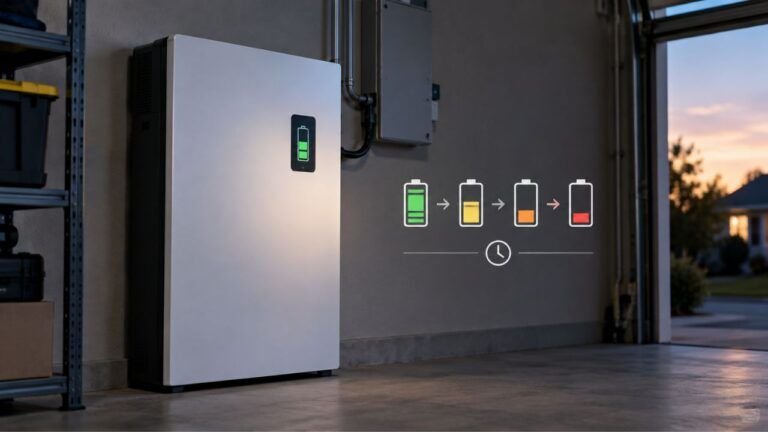
A home backup battery loses power while sitting unused because of natural self-discharge and small standby loads. The battery management system, inverter, monitoring equipment, communications, and...
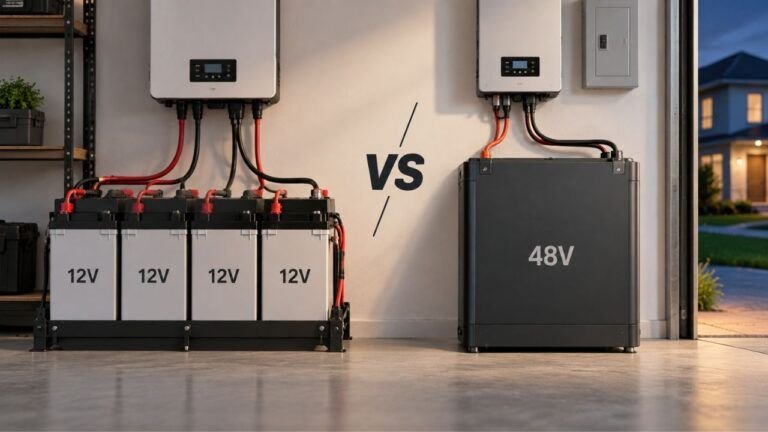
A 48V lithium battery is usually the better choice than a 12V battery bank for serious home backup. It can supply the same power with about one-quarter of the battery-side current, making high-power...
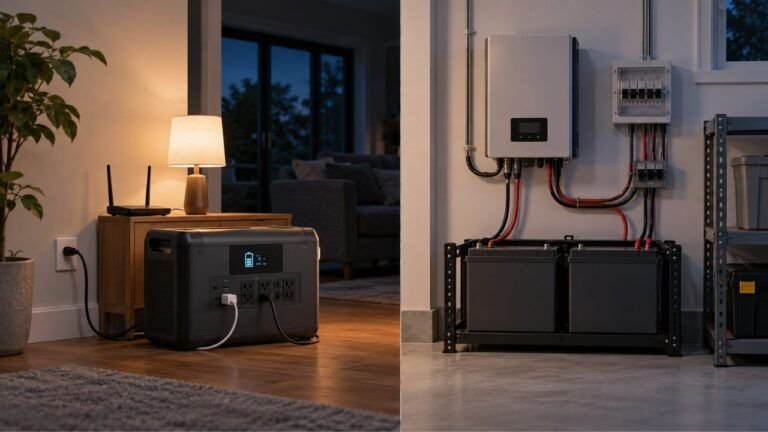
A portable power station is usually better for simple home backup, while a lithium battery bank is better for larger, customizable systems. A power station arrives ready to use. A lithium bank needs...
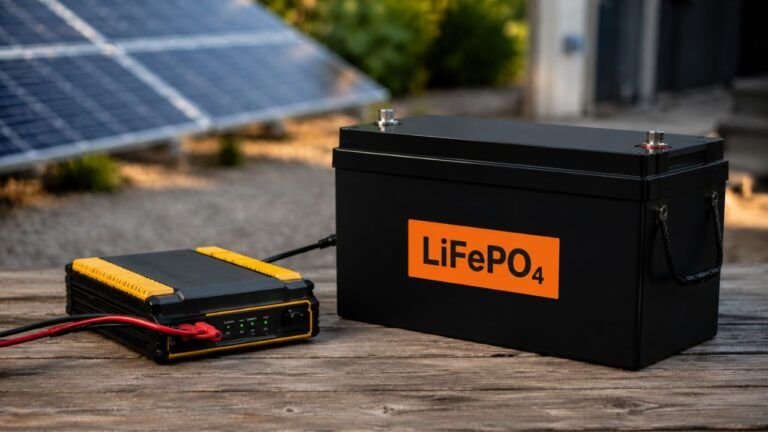
No, frequent partial charging does not normally shorten a LiFePO4 battery’s life. Recharging before the battery gets deeply discharged can actually reduce cycling stress and support a longer service...
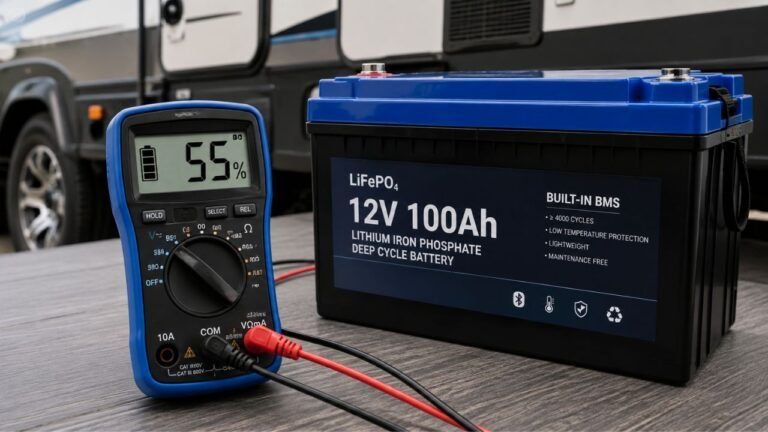
For long-term storage, it is generally better to store a lithium battery partially charged rather than completely full. Around 40% to 60% charge, or roughly half full, is a practical target for many...
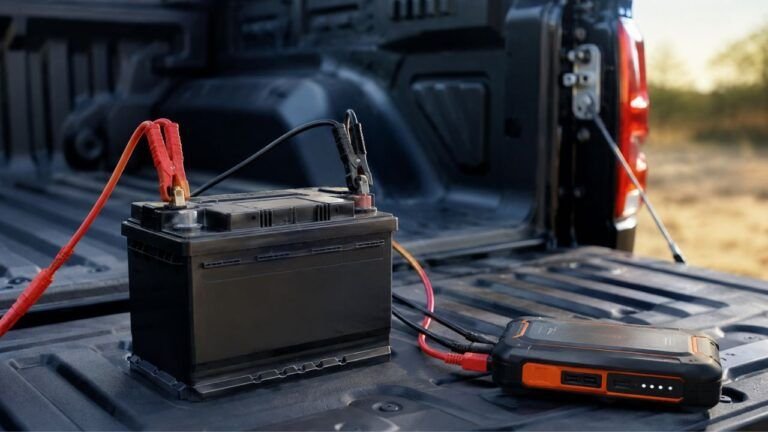
Yes, you can recharge a lithium battery before it gets low. You do not need to wait until it reaches 20%, 10%, or nearly empty. Partial charging is completely normal for lithium batteries and can...
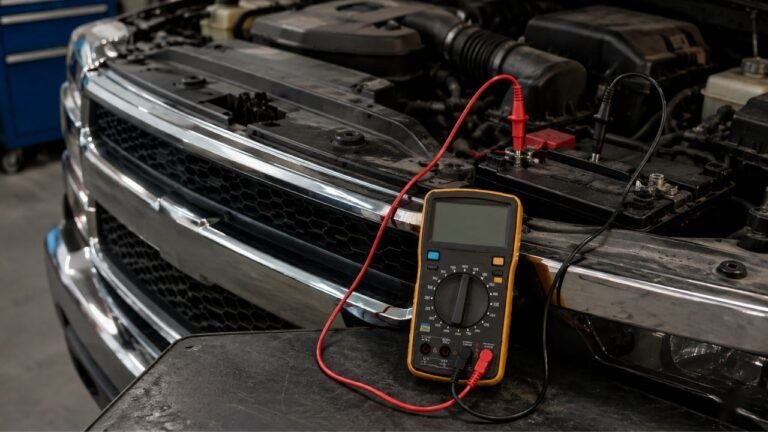
A lithium battery percentage can change after sitting overnight because its voltage settles, temperature changes, and the battery management system recalculates the state of charge. The battery may...
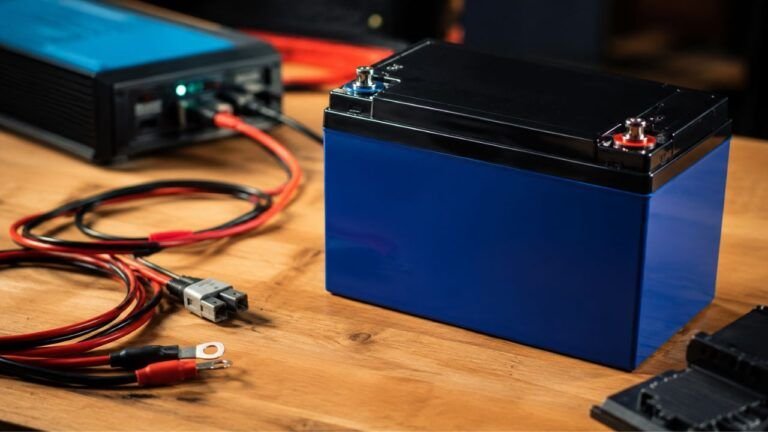
A lithium battery can show 100% charged but still have less runtime because 100% only tells you how full the battery is compared with its current usable capacity. As the battery ages, loses capacity...
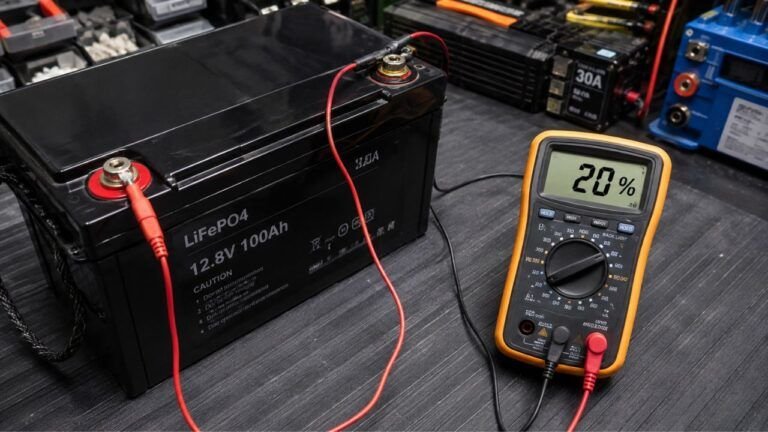
A lithium battery can lose charge even when everything appears turned off because the battery naturally self-discharges, while its BMS or connected equipment may still use a small amount of standby...